What the teacher is, is more important than what he teaches.
Karl A. Menninger • American Psychiatrist
It has been seven years since I began teaching in higher education. Although teaching wasn’t on my radar, God had a bigger plan—and I’m grateful for it. I’m now entering my third year on the tenure track at Baylor University, after five exciting years at Texas State University. Over time, I’ve realized that teaching is not just a profession—it’s a powerful extension of my design practice, with both continuously nourishing each other.
Every year, usually about a week before classes start, I spend time refining and tweaking my syllabi and student projects with a single goal in mind: to motivate students to recognize the value of conceptual solutions in graphic design, help their outcomes shine, and inspire them to fall in love with our industry. This process has reinforced my belief that teaching design in higher education is a journey of art direction, discipline, learning, discovery, and dialogue.
In seven years, this approach has led to several hundred student accolades in design competitions and close to fifty professional recognitions. More importantly, teaching has sharpened my skills in art direction, branding, storytelling, and strategy—skills I bring to every client engagement.


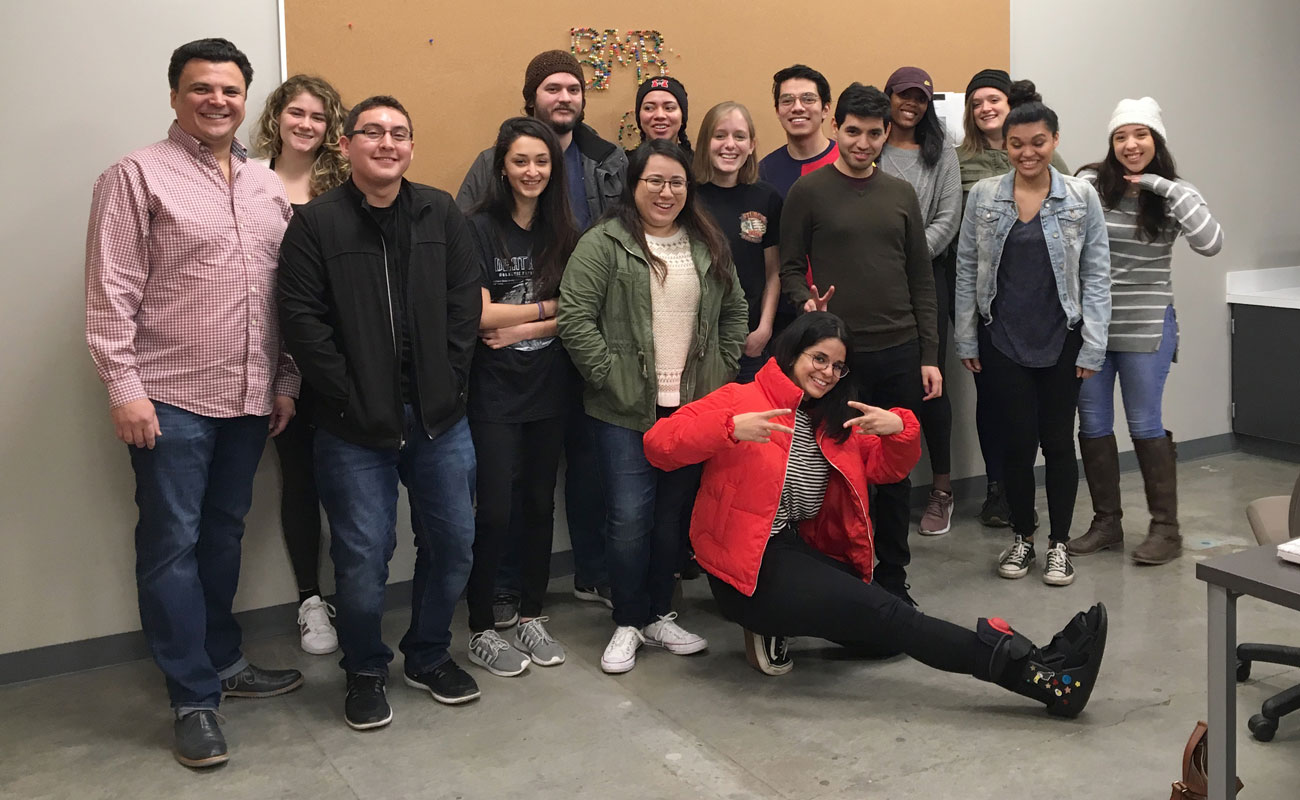

Teaching graphic design is art direction at its finest. I write my student assignments that challenge students to understand their clients and target audiences, conduct research, develop strong concepts, and present award-winning work. The goal is always the same: to produce a cohesive, conceptually driven solution that is effective and memorable—whether it inspires buying, volunteering, engaging, or creating change.
Reviewing hundreds of student assignments each semester has honed my ability to plan, guide, critique, and elevate their design outcomes. This daily practice in the classroom across countless industries and creative minds has made me a sharper art director.






Like athletes, designers improve through consistent practice. Teaching has shown me that consistency and repetition aren’t just routines—they’re part of the refinement process. While grading assignments, my mind constantly searches for alternative solutions and evaluates originality. I always need to ensure the work presented has not been previously done.
In client work, designers often have time to research and iterate. In the classroom, I must give immediate feedback to between ten and twenty students, each working on multiple clients, products, services, and solutions. This fast-paced environment has trained me to think quickly, conceptually, and strategically—skills that have helped improve my own work and earned recognition in peer-reviewed competitions and publications.






Every class, student, and colleague teaches me something new—about design, collegiality, empathy, leadership, and of course, the changing creative landscape. Teaching has deepened my understanding of design and strengthened my ability to respond with insight and agility.
The expectations that a professor must know everything related to the subject can be overwhelming; therefore, I am constantly learning as much as I can about design trends, technology, market tendencies, and, more importantly, what the design industry is seeking in recent graduates. I often tell my students, “I learn more from you than you do from me.” That curiosity drives my growth and keeps my work fresh. Whether I am preparing for a lecture or a client presentation, I am consistently researching, refining, and pushing new boundaries.




In academia, tenure requires a consistent record of publishing in your field. For me, in graphic design, that means producing design work recognized in leading international and national design journals and prestigious competitions. Although the competition and publication culture in the advertising and design industry are familiar to creatives, the intense pressure and expectations in academia, especially at an R1 institution like Baylor University, serve as a constant motivation for me to explore new work, strategies, techniques, and solutions for my clients and creative projects. The outcome? A design portfolio that continues to be recognized by leaders in the industry and satisfied clients, demonstrating passion for my field, commitment to my clients, and excellence in my work.






Teaching is mastering the art of conversation and empathy. I work with young minds who are passionate, curious, and eager to learn. Especially now, with the merge of AI and new technologies, it is also an inner conversation—where growth comes from curiosity, adaptation, practice, and a solid methodology.
Graphic design is more than pretty visuals and trendy styles; graphic design has always been a conversation between the work and a targeted audience. It is a strategy that involves compelling visual storytelling that ultimately drives recognition, sales, and trust. Whether I’m working with students, clients, or fellow designers, I’m always listening, strategizing, and creating visual stories that inspire. This constant dialogue keeps my passion for teaching and design alive—and drives memorable results.
In the end, teaching and practicing design are not separate paths—they are parallel journeys that challenge, refine, and inspire me. They feed each other every day. Each project, whether created in the classroom or for a client, reflects this ongoing dialogue between curiosity, storytelling, and purpose. If you’re interested in seeing how all this translates into visual storytelling, I invite you to explore more. And if you’re for it, let’s meet over espresso.